US media publish reports on Sudanese chemical weapons development and use
The Sudanese Armed Forces (SAF) have found themselves at the center of a major crisis following news investigations by leading U.S. media outlets that exposed their involvement in developing and deploying chemical weapons in the ongoing conflict against the Rapid Support Forces (RSF), Mohsin Osman reports.
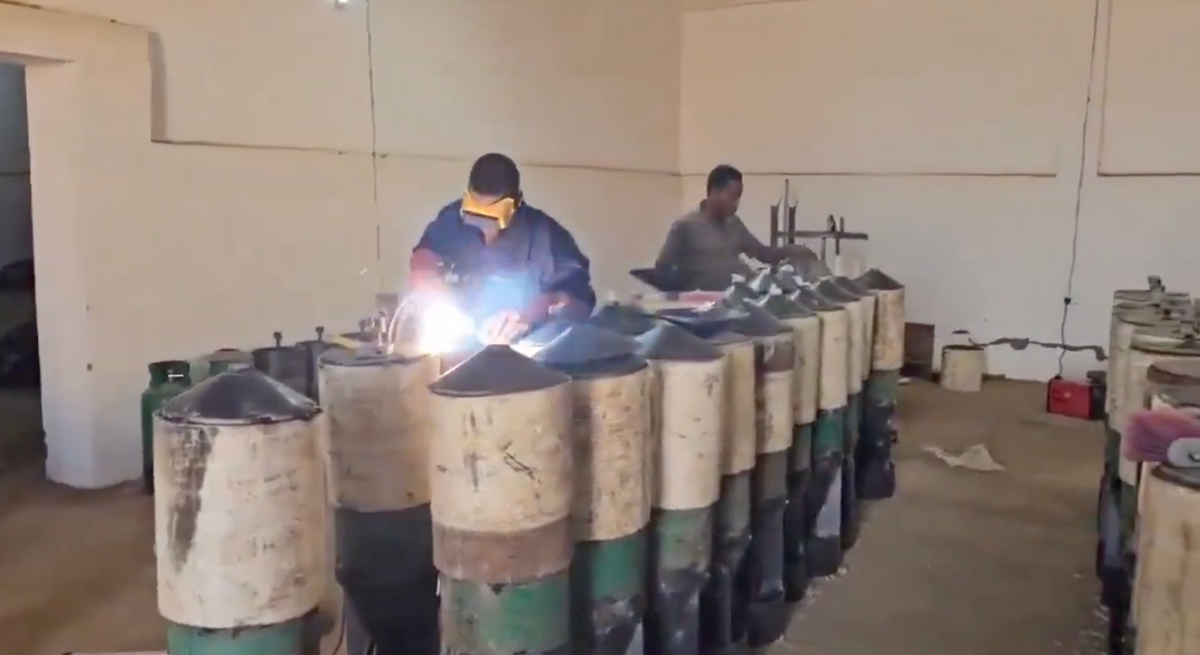
On Saturday 5 September, The New York Times and The Washington Post published dual investigative reports based on leaked intelligence materials pointing to an alleged Sudanese Armed Forces programme to manufacture chlorine-based munitions.
According to a summary by Radio Tamazuj, the files include approximately 150 documents, photographs, video clips and intercepted communications, alongside thousands of text messages retrieved from the phones of Sudanese officers.
The alleged programme was established in 2024, and the reports details "bomb design blueprints, testing operations and a coordinated cover-up strategy initiated after the plot was uncovered by the United States", according to Radio Tamazuj. "The records also outline plans to siphon chlorine gas from a civilian water treatment facility that had originally received the chemical from international aid agencies."
There have been long-standing allegations of chemical weapons use against the leadership of the Sudanese Armed Forces. The United States previously imposed sanctions on Sudan in May 2025 over alleged chemical weapons use in 2024, however government authorities have rejected the accusations and maintain they do not produce, stockpile or use chemical weapons, and adhere to the Chemical Weapons Convention. The United States imposed a second round of sanctions against Sudan in relation to alleged chemical weapons use in June 2026.
The full original article published by The New York Times can be read here.