From IEDs to drones – what the dismounted soldier needs to weather the STORM
A full version of this article was originally published here by Thales on 10 March 2026.
At the turn of the century, remotely controlled IEDs littered routes and roadsides throughout Iraq and Afghanistan. These asymmetric and indiscriminate weapons exacted a devastating cost in human lives and, despite only costing hundreds of dollars to make, were capable of destroying military equipment worth millions.
This IED methodology has promulgated to UAS and UxS systems. The utilization of cheaper commercially available systems which have been modified to provide a kinetic effect; destroying million dollar hardware for a fraction of the price. The challenges for the modern soldiers force protection has always been a tradeoff between weight, mobility and protection. Commanders at all levels constantly strive to reduce weight, increase force protection, mobility and capability. Thales believes it has made significant advances to achieve that goal.
“Dismounted soldiers increasingly face drone threats that are pervasive and persistent,” says Timothy Coley, Product Manager at Thales. “Whether it be a first-person view one-way attack drone or a munition-dropping drone, these threats keep heads on a perpetual swivel. The challenge is no longer just to shield a patrol from a single trigger – instead, countermeasures must be as agile and adaptive as the soldiers they protect.”
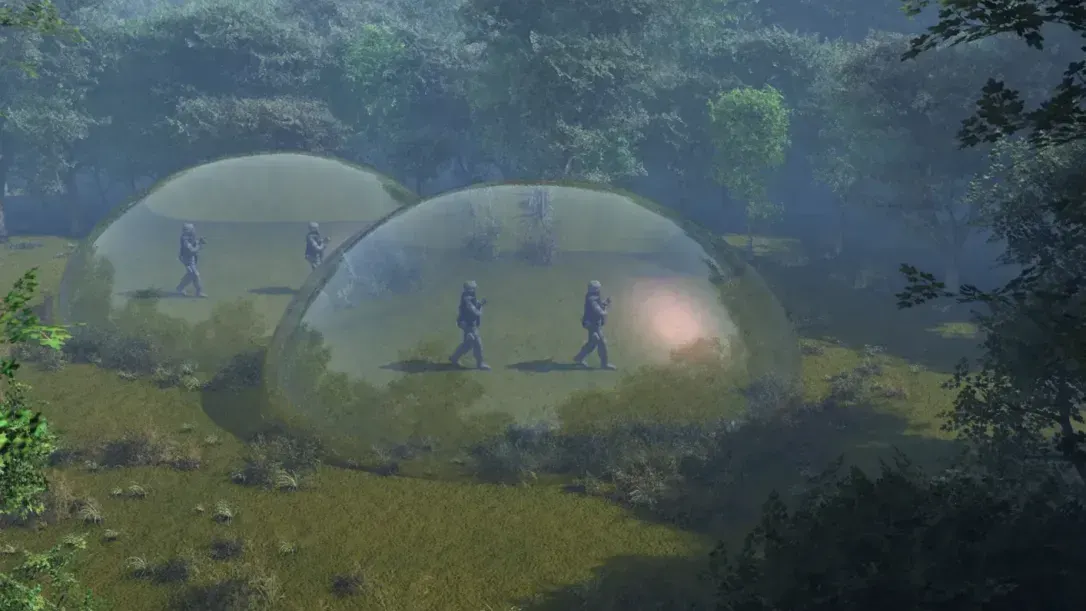
STORM 2 was initially conceived to counter-IEDs. Aimed to be a solution for dismounted soldiers. Thales has now evolved STORM 2 to counter -UAS systems. Giving commanders the ability to disrupt RF-controlled drones from the same system.